Shiva
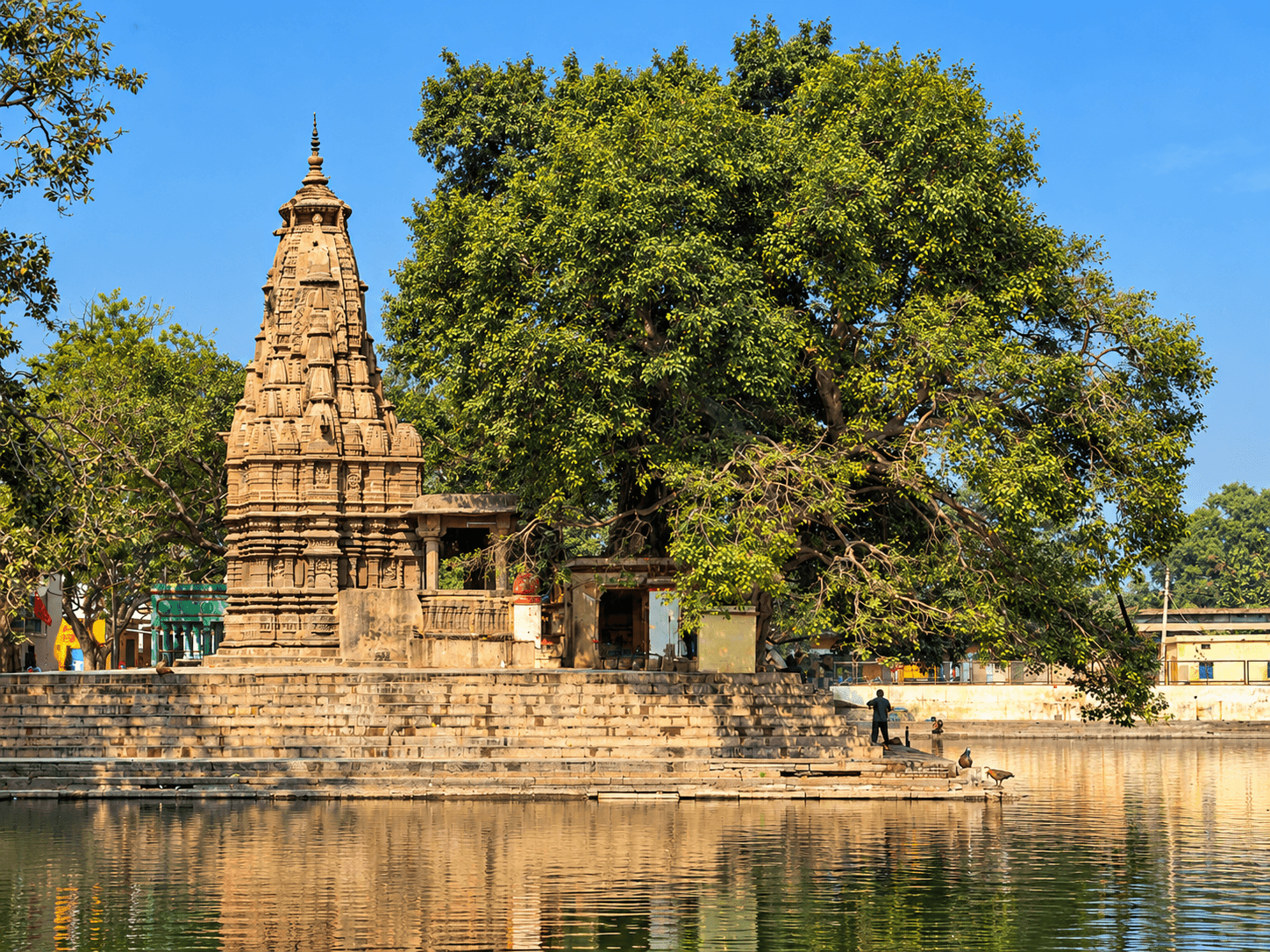
Shri Mrityunjay Mahadev Temple
- Shiva (as Mrityunjay Mahadev)
- Daranagar · Varanasi
The shrine associated with the Mahamrityunjaya mantra, and with a well whose water devotees hold to be curative.
Introduction
About the Temple
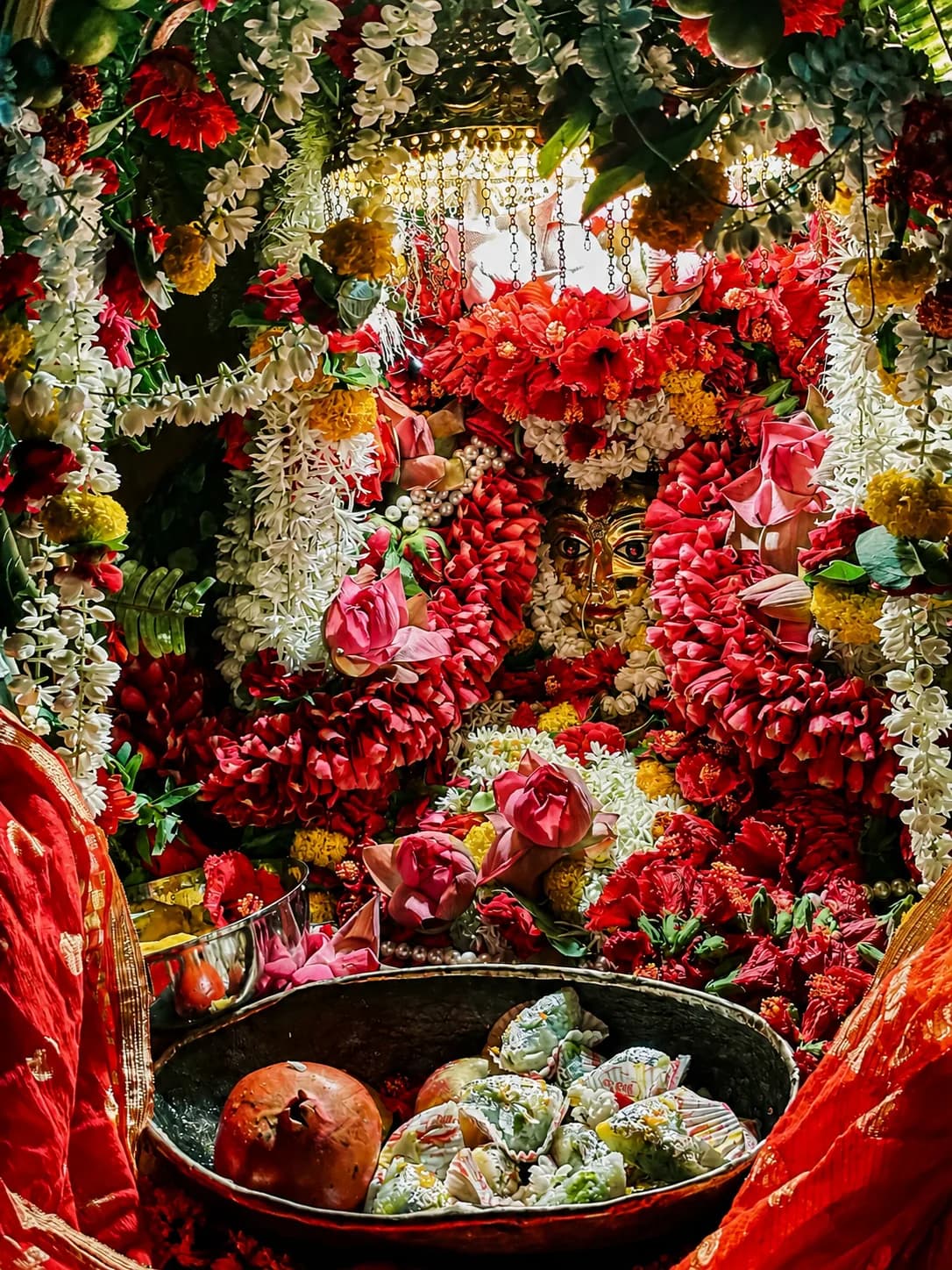
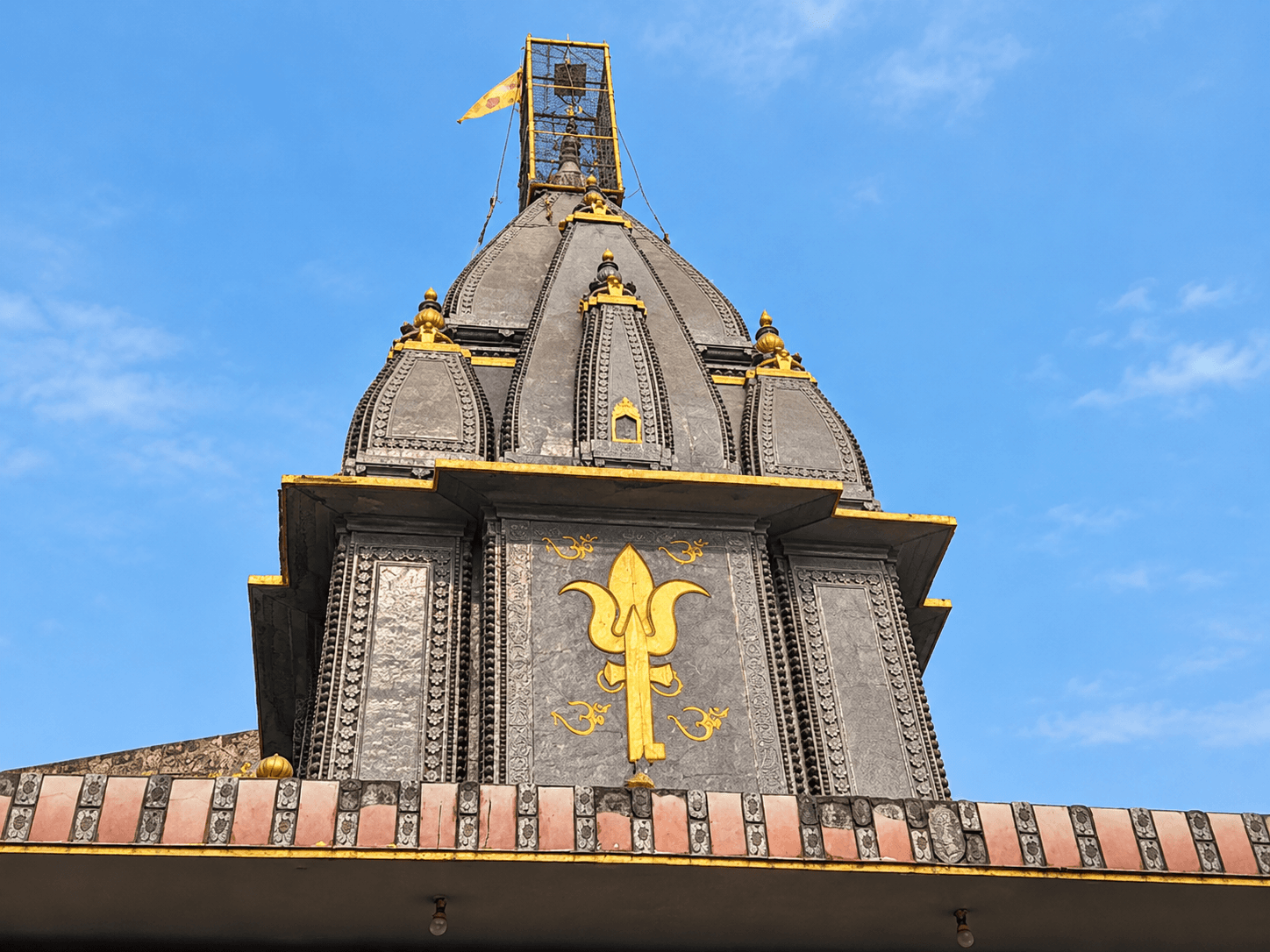
The sacred Mrityunjaya Mahadev Temple is dedicated to Lord Shiva in his form as Mrityunjaya, the conqueror of death. This manifestation is closely associated with the revered Mahamrityunjaya Mantra, a sacred Vedic prayer traditionally recited for well-being, courage, protection, and spiritual strength. In the devotional traditions of Kashi, Lord Mrityunjaya is worshipped with deep faith by devotees seeking divine grace during periods of uncertainty and hardship. The temple is also known for a nearby sacred well whose waters hold an important place in local religious tradition. Devotees visit the shrine to offer prayers, perform Shiva worship, and seek blessings for themselves and their families. The spiritual significance of Mrityunjaya Mahadev lies in the understanding that devotion to Lord Shiva helps cultivate fearlessness, acceptance, and awareness of life’s deeper meaning. As part of Kashi’s rich Shaiva heritage, this temple remains a meaningful destination for pilgrims who wish to experience the sacred traditions associated with Lord Shiva and the timeless symbolism of spiritual victory over mortality.
Chronicle
History & Origins
The documented record
The shrine is long-established within the old city. A documented construction date is not published and none is asserted here.
Significance
Spiritual Significance
The temple is the customary place in Kashi for the sponsored recitation of the Mahamrityunjaya mantra and the associated jaap and havan.
In devotional tradition
Devotees traditionally come here seeking relief from illness, freedom from the fear of untimely death, and longevity for family members, and commission the Mahamrityunjaya mantra for that purpose. This records a religious practice and the belief behind it; it is not a medical claim, and it is not a substitute for medical care.
This records traditional devotional belief and the practice of devotees. It is presented as religious tradition, not as a statement of fact or a promise of any outcome.
In depth
The Mantra of the Conqueror of Death
The Mahamrityunjaya mantra comes from the Rigveda (7.59.12), where it is addressed to Tryambaka, the three-eyed one — Rudra, whom later tradition worships as Shiva:
त्र्यम्बकं यजामहे सुगन्धिं पुष्टिवर्धनम् । उर्वारुकमिव बन्धनान् मृत्योर्मुक्षीय मामृतात् ॥
"We worship the three-eyed one, fragrant, who increases nourishment. As the ripe cucumber is freed from its stem, may we be freed from death — not from immortality."
The prayer asks for release as natural as fruit leaving the vine, which is why it is recited for longevity, in illness and at times of fear. At this temple it is commissioned as jaap — repetition in fixed counts by priests — often together with rudrabhishek, on behalf of a person who is unwell. This records a devotional practice; it is not medical advice and not a substitute for medical care.
In depth
The Well of Dhanvantari
The well within the temple precinct is the reason many people come. Local tradition connects it with Dhanvantari, the physician of the gods and the patron of Ayurveda, who is said to have poured his medicines into it — and a shrine to Dhanvantari as Dhanvantareshwar stands within the same premises. Devotees drink the water, sprinkle it on themselves and carry it home for family members who are unwell.
The origin of the well is not documented, and the tradition is recorded here as tradition. The temple building that stands today is generally dated to the eighteenth century, while the worship at the site is held to be older.
What joins the well and the shrine is the temple's single theme: Shiva as Mrityunjay, the conqueror of death, invoked through the Mahamrityunjaya mantra for long life and recovery. Families commonly commission the mantra's recitation here and take the well's water with them, as twin acts of prayer for someone they love. Both are devotional practices — neither is a substitute for medical care.
Worship
Deity, Worship & Rituals
- Presiding deity
- Shiva (as Mrityunjay Mahadev)
Worship & ritual
Mahamrityunjaya jaap and rudrabhishek are the characteristic observances, frequently sponsored on behalf of someone who is unwell. Monday is Shiva's day.
Sacred calendar
Festivals
Mahashivratri and the Mondays of Shravan are the principal occasions.
Darshan
Darshan Timings
Generally open from early morning until evening. Timings vary on festivals, eclipses and special occasions — confirm locally before travelling.
Timings change on festivals, eclipses and special occasions. Please confirm locally before travelling.
Visitor guide
Darshan & Visitor Information
The temple is in a dense part of the old city and is best approached on foot. Arrangements for sponsored jaap are made with the temple's priests directly.
Getting there
Location & How to Reach
Finding the temple
- Locality
- Daranagar
- Address
- Daranagar, near Kaal Bhairav, Varanasi
- City
- Varanasi
How to reach
The temple stands on the route from Daranagar to the Kaal Bhairav temple, in a dense part of the old city. Take an auto-rickshaw to the Daranagar or Kaal Bhairav area and walk the last stretch; the two temples are commonly visited together.
Varanasi Junction (BSB) is the nearest major railway station, and Lal Bahadur Shastri International Airport (VNS) the nearest airport.
Visitors ask
Frequently Asked Questions
Practical answers for anyone planning darshan at Shri Mrityunjay Mahadev Temple.
Ask the Samiti a questionTemples of Kashi Shri Mrityunjay Mahadev Temple
Plan Your Visit
Planning a darshan at Shri Mrityunjay Mahadev Temple, or hoping to arrange a puja in Kashi? The Samiti's team will gladly guide you on the visit and on the arrangements available.
Continue the yatra