Shiva
Shri Kardameshwar Mahadev Temple
- Shiva (as Kardameshwar Mahadev)
- Kandwa · Varanasi
The first halt of the Panchkroshi Yatra, and the oldest surviving temple structure in Varanasi.
Introduction
About the Temple
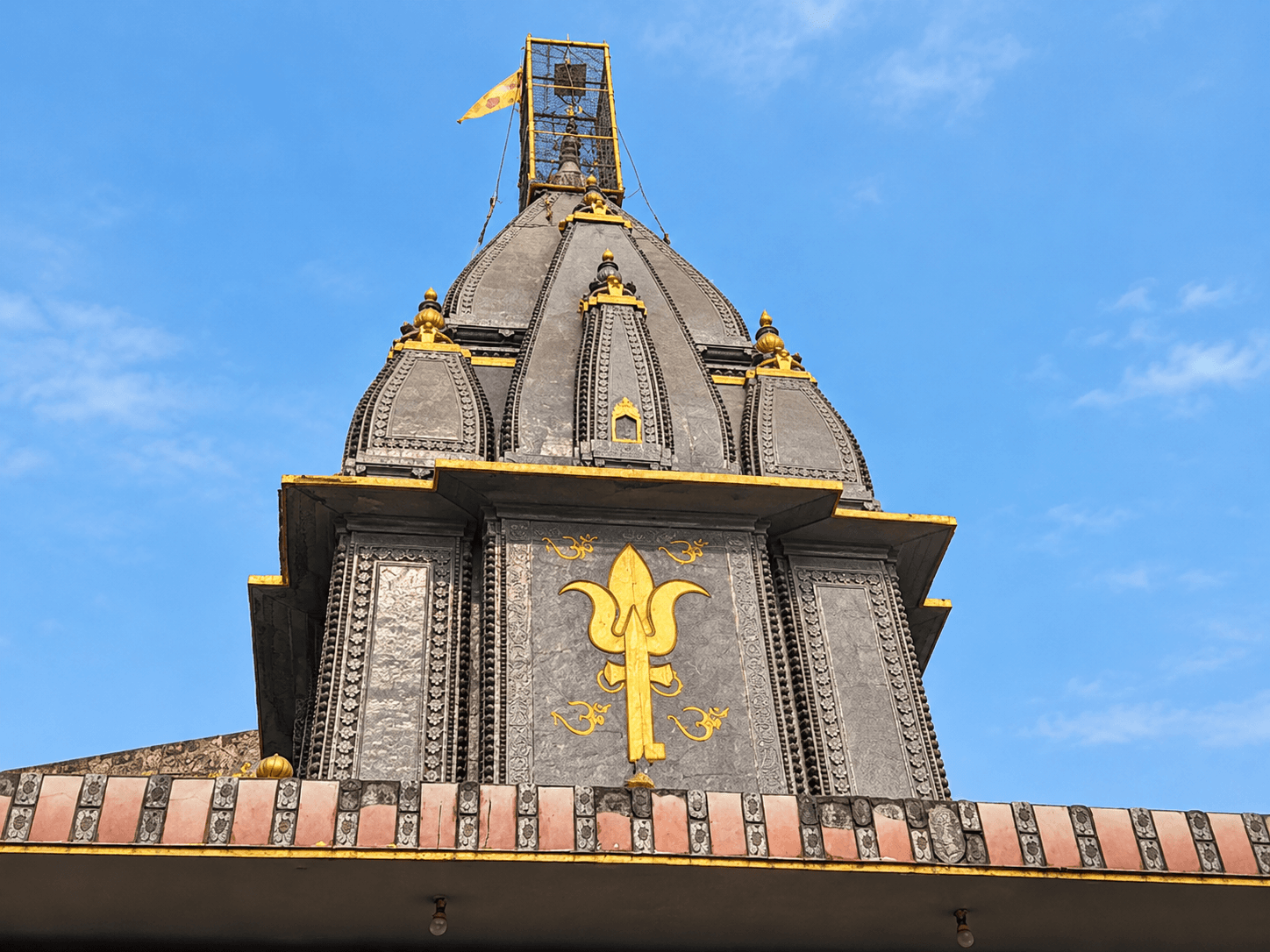
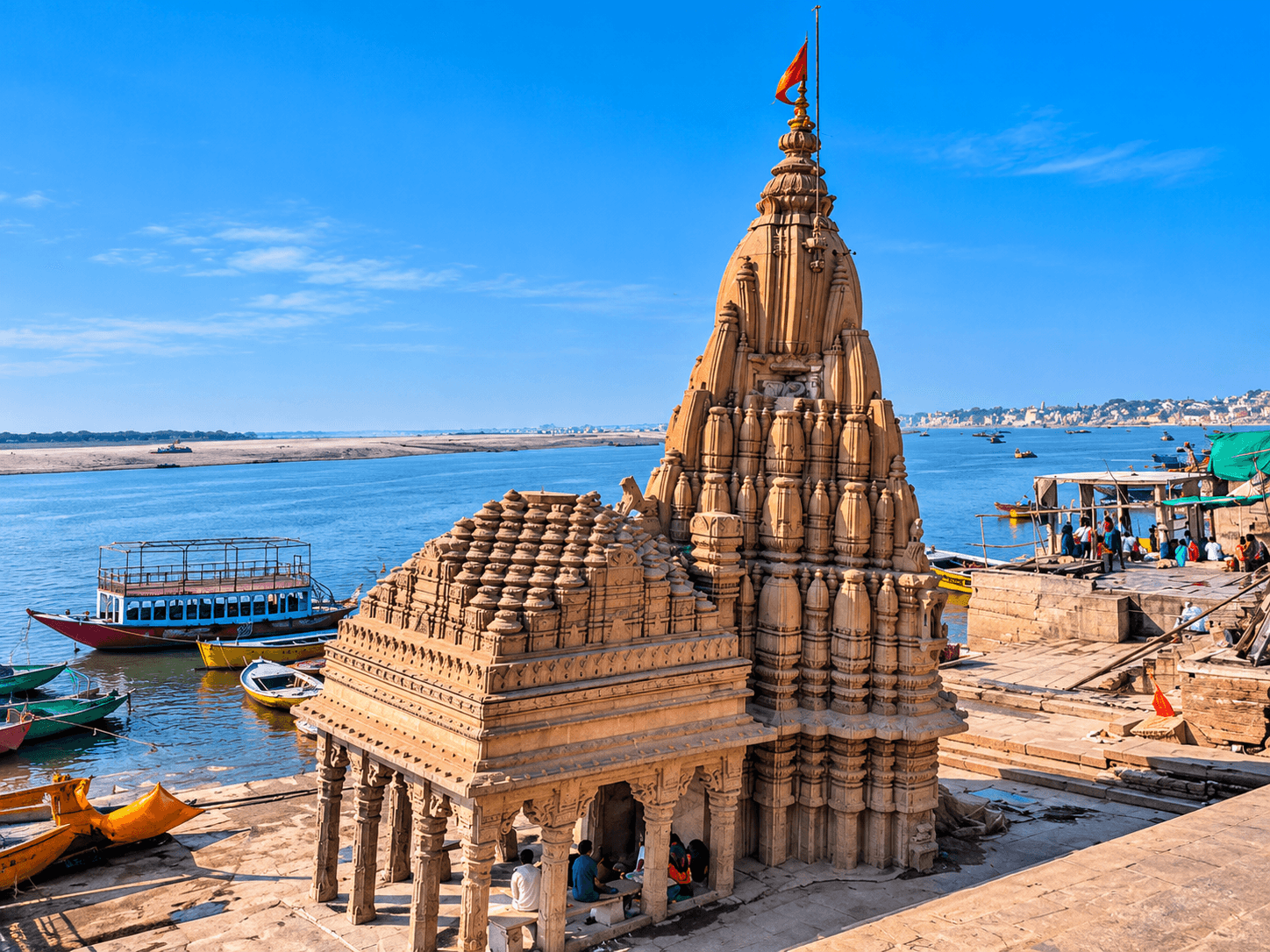
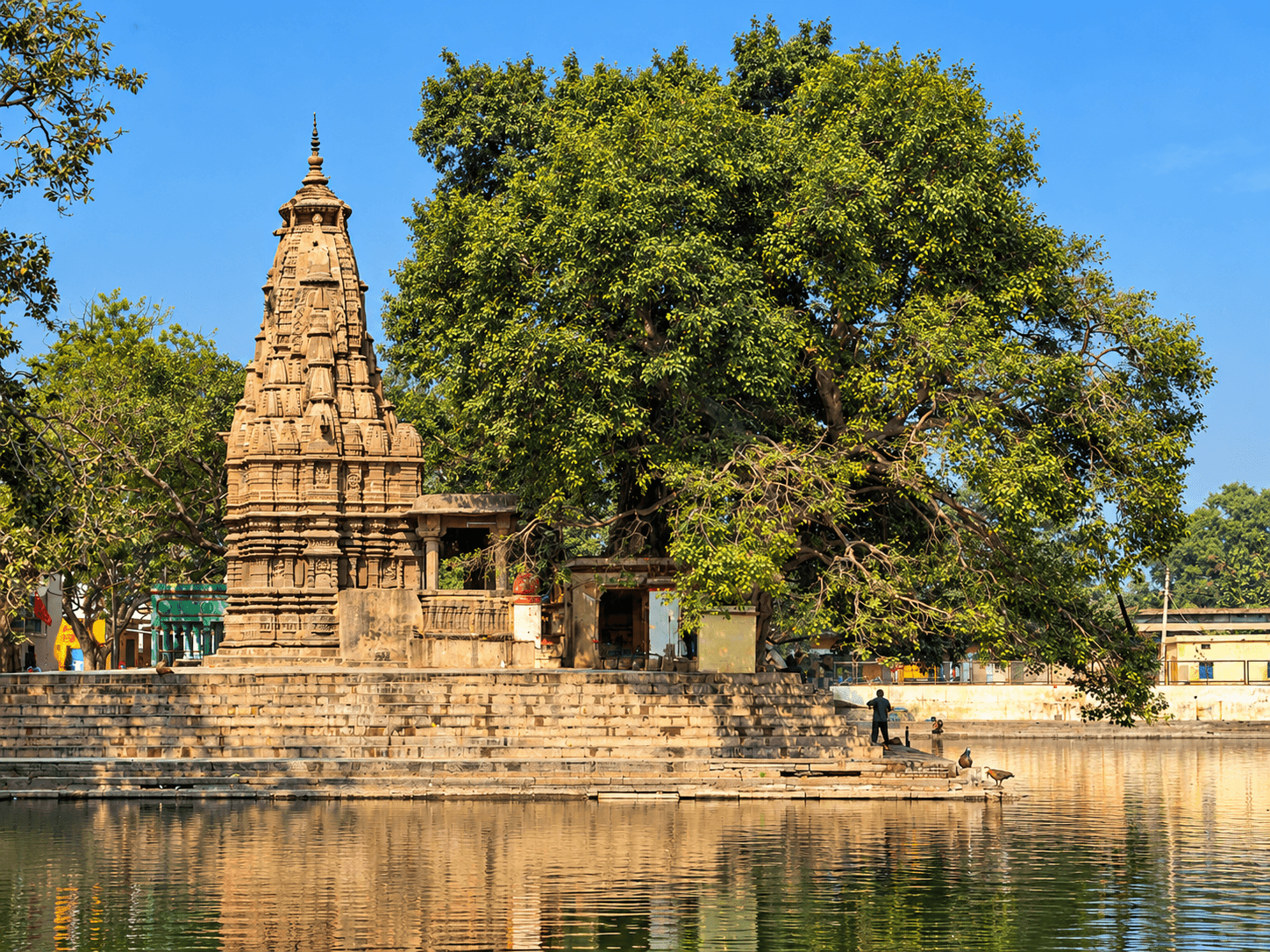
Kardameshwar Mahadev Temple is an important ancient shrine dedicated to Lord Shiva and forms part of the sacred Panchakroshi pilgrimage circuit of Kashi. Located in the Kanchanpur area, the temple is particularly significant for its architectural and archaeological heritage. Its stone carvings feature a variety of traditional motifs, including divine dancers, musicians, serpents, and mythical figures, offering glimpses into the artistic traditions of an earlier period. The temple is especially valued as a surviving example of Varanasi’s historic temple architecture and is protected as an ancient monument. Beyond its historical importance, Kardameshwar Mahadev remains a place of devotion where worshippers honour Lord Shiva as the supreme consciousness and source of spiritual transformation. Its association with the Panchakroshi Yatra connects it with a wider tradition of circumambulating the sacred landscape of Kashi. For pilgrims, the shrine represents the continuity of Shaiva worship across generations, while its enduring stonework preserves an important part of the city’s cultural and religious memory.
Chronicle
History & Origins
The documented record
The temple is generally dated on architectural grounds to the Gahadavala period, around the 11th–12th century, which makes it the oldest surviving temple structure in Varanasi. Its stone carving is the principal evidence for that dating.
As tradition tells it
By tradition, the linga enshrined here was installed by the sage Kardama Prajapati, from whom the temple takes its name.
The rectangular tank beside it, the Kardama Kund, was built by Rani Bhavani of the Natore estate in Bengal around 1751–1757, during her stay in Banaras. A deep round well near the temple, the Kardama Kupa, supplies water used in worship.
Recorded as sacred narrative, distinct from the documented history.
In depth
The Five Halts of the Panchkroshi Yatra
The Panchkroshi Yatra walks the sacred boundary of Kashi. Pilgrims traditionally set out from Manikarnika Ghat with a sankalp, walk the circuit over five days with a night's halt at each station, and return to Manikarnika to complete it. The five halts are:
- 01
Kardameshwar
at Kandwa, this temple: the first halt, where the circuit truly begins.
- 02
Bhimchandi
the second, a shrine of the goddess in a fierce form.
- 03
Rameshwar
the third, associated by name with Rama.
- 04
Shivpur
the fourth, also known as Panch Pandava for the shrine of the five Pandava brothers.
- 05
Kapildhara
the fifth, associated with the sage Kapila, from where pilgrims return to Manikarnika.
Along the way the route passes a great many smaller shrines and tanks. The yatra is walked at several times of the year, and most of all in the monsoon month of Shravan.
Significance
Spiritual Significance
Its place as the first station of the Panchkroshi Yatra gives it a structural role in the pilgrimage geography of Kashi, and its survival makes it the city's most important piece of standing temple architecture.
In devotional tradition
Pilgrims traditionally begin the Panchkroshi circuit here with a sankalp — a stated resolve — before setting out. This is traditional pilgrimage practice.
This records traditional devotional belief and the practice of devotees. It is presented as religious tradition, not as a statement of fact or a promise of any outcome.
Worship
Deity, Worship & Rituals
- Presiding deity
- Shiva (as Kardameshwar Mahadev)
- Also worshipped
- Images of Vishnu, Devi, Ganesha and Surya, and of the river goddesses Ganga and Yamuna, appear on the temple
Worship & ritual
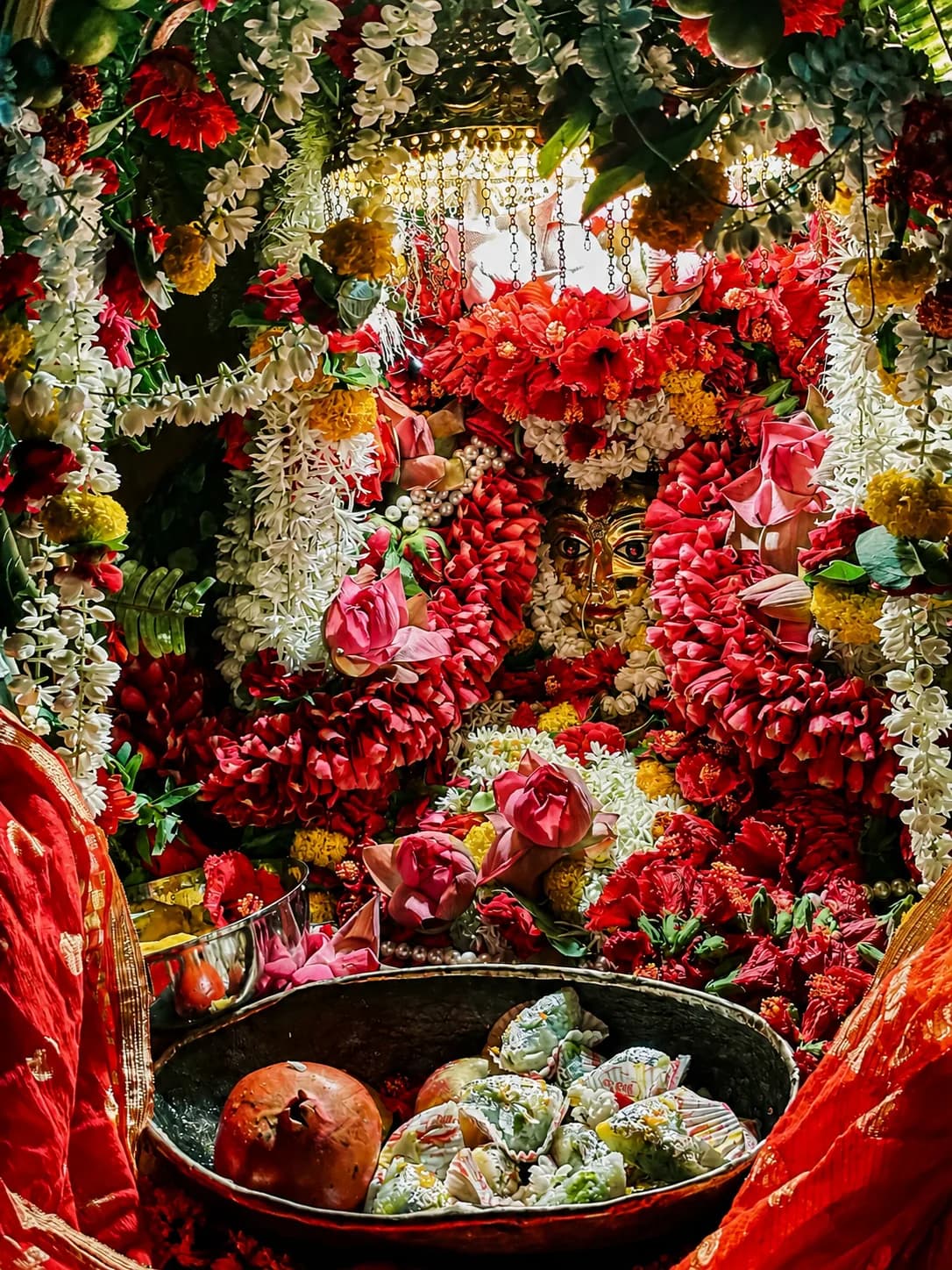
Worship of the Shiva linga. Pilgrims on the Panchkroshi Yatra halt here at the start of the circuit.
In depth
A Protected Monument
Kardameshwar is protected by the Government of Uttar Pradesh as an ancient monument, under the state's 1956 law for the preservation of ancient and historical monuments and archaeological sites.
What it protects is the carving. The outer walls carry figures of celestial dancers and musicians, serpents and mythical beasts, alongside the images of deities noted above — work that has come down from the medieval city largely as it was made, which almost nothing else in Varanasi has.
Visitors are asked to treat the stonework accordingly: look closely, but do not climb on, mark or lean against the carved surfaces.
Sacred calendar
Festivals
The temple is busiest during the Panchkroshi Yatra season and on Mahashivratri.
Darshan
Darshan Timings
Darshan hours
Opens
5:30 AM
Closes
9:00 PM
Set by the temple, and changed on festivals, eclipses and special occasions. Please confirm locally before travelling.
Closed in the afternoon, approximately 12:00 noon to 4:00 PM; aarti is held around sunrise and sunset. Busiest during the Panchkroshi Yatra, on the Mondays of Shravan and on Mahashivratri.
Visitor guide
Darshan & Visitor Information
Kandwa is away from the ghats and the old city, so this requires a deliberate trip by auto or taxi. It is quiet outside the yatra season, and worth the journey for anyone interested in the city's architecture rather than only its worship.
Getting there
Location & How to Reach
Finding the temple
- Locality
- Kandwa
- Address
- Kandwa, Varanasi, Uttar Pradesh
- City
- Varanasi
How to reach
Kandwa is on the southern edge of the city, near Chitaipur — roughly 14 km from Varanasi Junction (BSB) and about 30 km from Lal Bahadur Shastri International Airport. Take an auto-rickshaw, taxi or city bus to Kandwa; the temple is a short walk from the road.
Visitors ask
Frequently Asked Questions
Practical answers for anyone planning darshan at Shri Kardameshwar Mahadev Temple.
Ask the Samiti a questionTemples of Kashi Shri Kardameshwar Mahadev Temple
Plan Your Visit
Planning a darshan at Shri Kardameshwar Mahadev Temple, or hoping to arrange a puja in Kashi? The Samiti's team will gladly guide you on the visit and on the arrangements available.
Continue the yatra