
Jyotirlinga
Shri Kashi Vishwanath Temple
- Shiva (as Vishwanath, one of the twelve Jyotirlingas)
- Vishwanath Gali, near Dashashwamedh · Varanasi
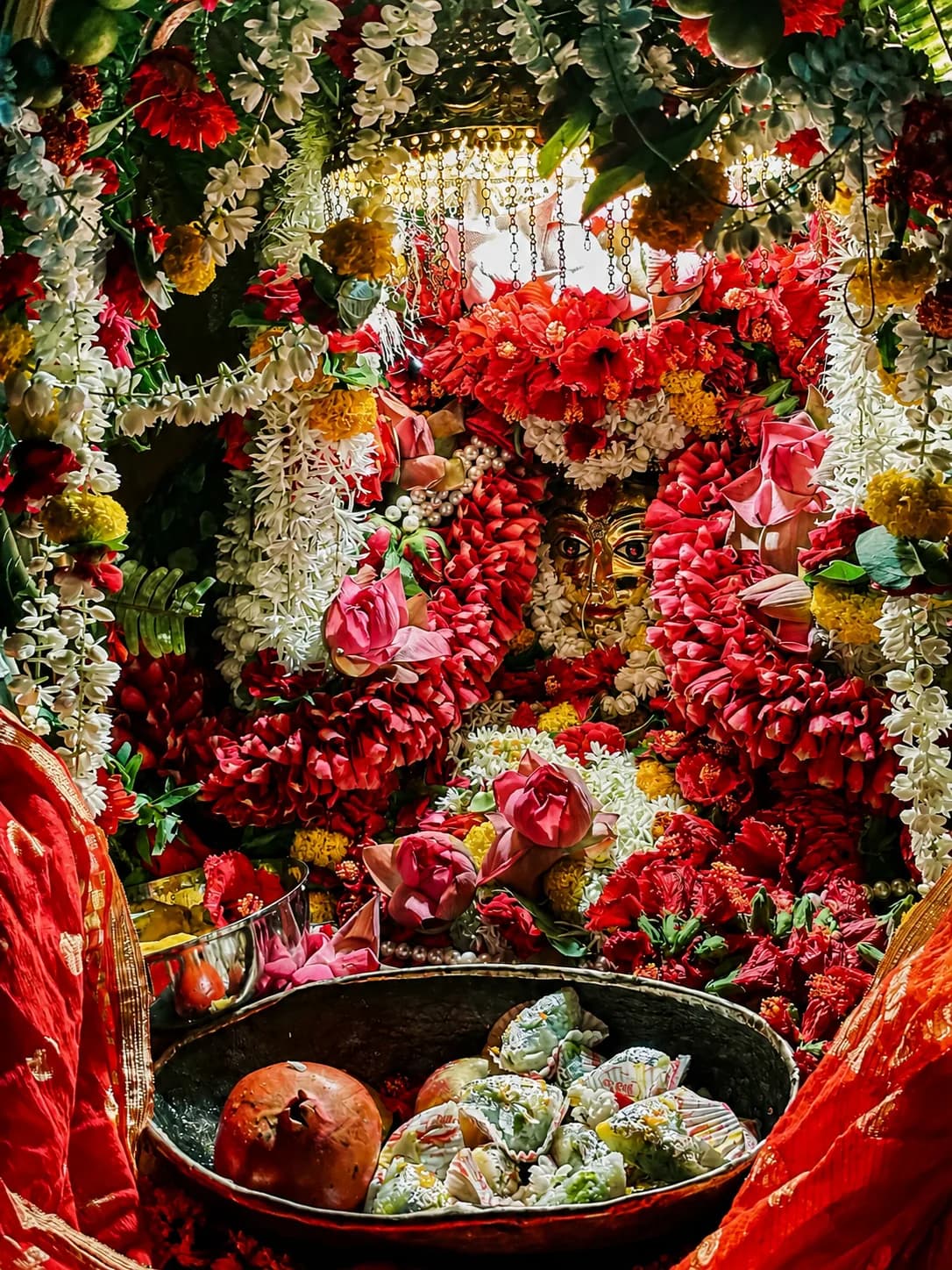
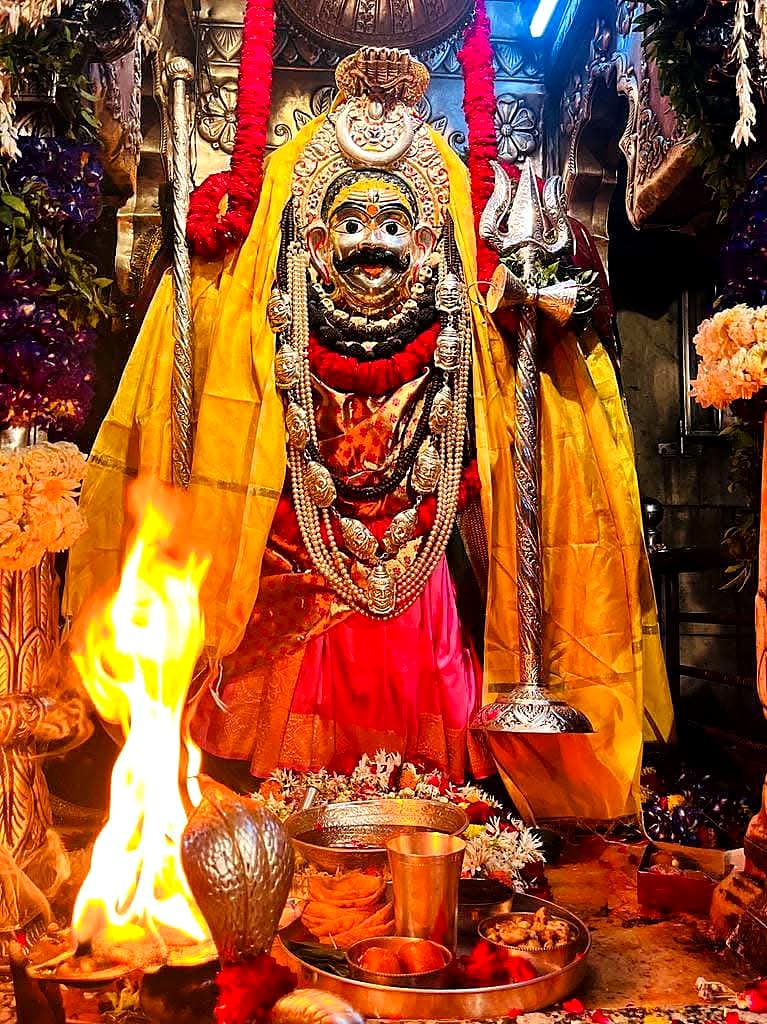
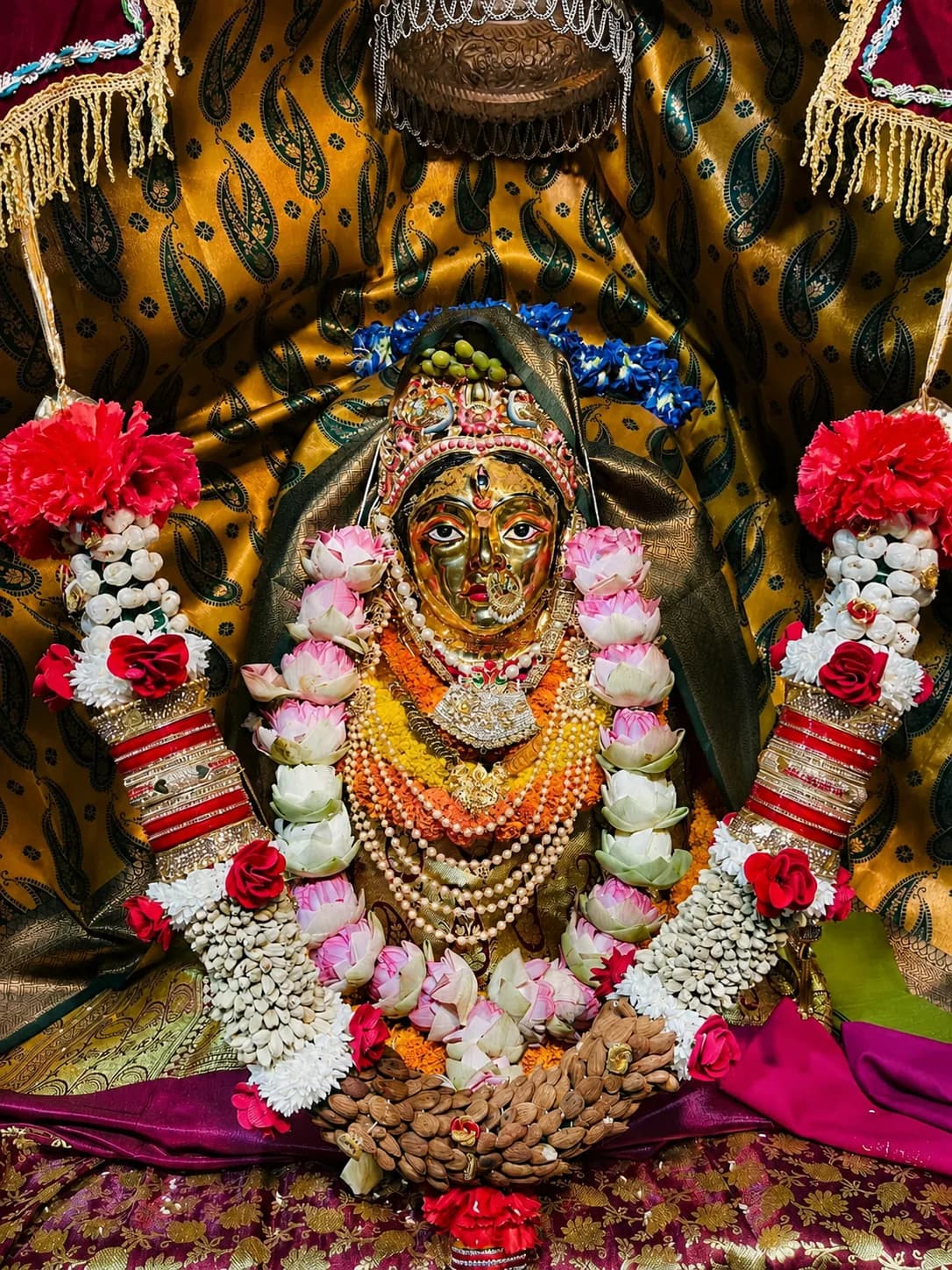
The Jyotirlinga at the heart of Kashi, and the temple from which the city takes its identity as the city of Shiva.
Introduction
About the Temple
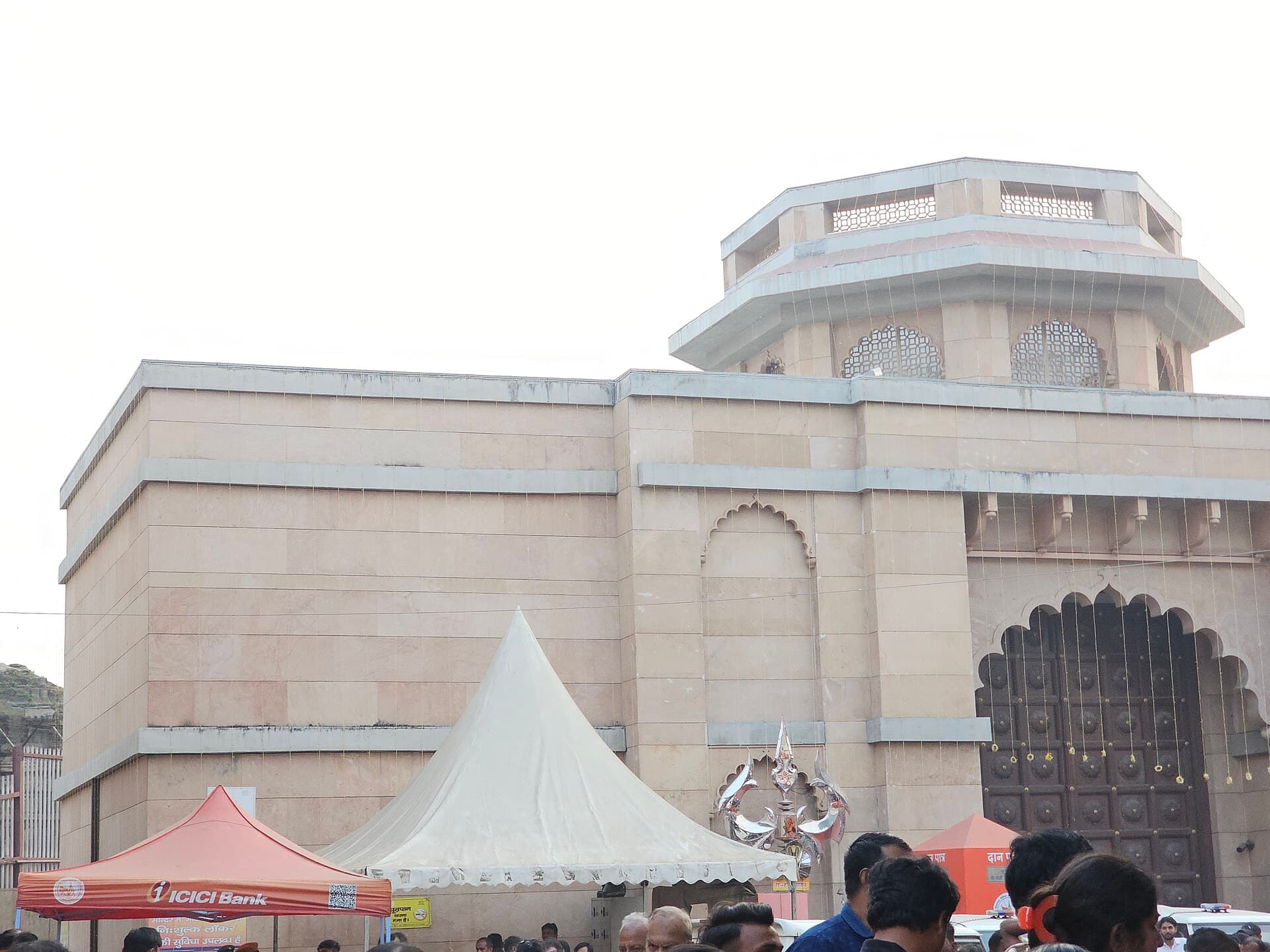
The Shri Kashi Vishwanath Temple is one of Hinduism’s most sacred pilgrimage destinations, dedicated to Lord Shiva as Vishwanath, meaning the Lord of the Universe. Situated in the ancient city of Kashi, the temple enshrines one of the twelve revered Jyotirlingas, the sacred manifestations of Lord Shiva worshipped across India. Kashi is traditionally regarded as the eternal abode of Lord Shiva and Goddess Parvati, making this shrine central to the city’s spiritual identity. Devotees from across the world visit to offer prayers, perform Abhishek, and seek the blessings of Vishwanath for spiritual awakening, inner peace, and liberation. The temple’s history reflects centuries of devotion, reconstruction, and patronage, with the present principal shrine associated with the rebuilding undertaken by Maharani Ahilyabai Holkar in the eighteenth century. Closely connected with the sacred traditions of the Ganga and the pilgrimage of Kashi, Shri Kashi Vishwanath remains an enduring symbol of faith, divine grace, and the pursuit of moksha.
Chronicle
History & Origins
The documented record
The temple has been destroyed and rebuilt repeatedly over its recorded history. The structure standing today was built in 1780 by Maharani Ahilyabai Holkar of Indore. The gold plating on its spires was the gift of Maharaja Ranjit Singh of the Sikh Empire in 1835, which is the origin of the name the Golden Temple by which it is also known.
The Kashi Vishwanath Dham corridor, which cleared a broad processional approach between the temple and the Ganga, was inaugurated in December 2021.
In depth
Milestones of the Present Temple
1780
The temple in its present form is raised by Maharani Ahilyabai Holkar of Indore.
1785
A Naubatkhana, the ceremonial drum-house, is built in front of the temple by the Collector, Mohammad Ibrahim Khan, at the instance of the Governor-General, Warren Hastings.
1830s
Maharaja Ranjit Singh's gift of gold covers the temple's domes, the origin of its name, the Golden Temple.
28 January 1983
The Government of Uttar Pradesh takes over the temple's management, which passes to the Shri Kashi Vishwanath Temple Trust.
December 2021
The Kashi Vishwanath Dham opens a broad processional approach between the temple and the Ganga.
In depth
The Kashi Vishwanath Dham
For most of its history the temple stood hemmed in by the lanes of the old city. Pilgrims keeping the age-old custom — bathing in the Ganga, collecting its water and carrying it up to offer at the Jyotirlinga — made their way to it through narrow, congested streets.
The Kashi Vishwanath Dham changed that approach. Its foundation stone was laid on 8 March 2019 and its first phase opened on 13 December 2021, creating a broad pathway between the temple and the banks of the Ganga. The temple premises, once confined to about 3,000 square feet, now extend over about five lakh square feet.
Twenty-three new buildings serve pilgrims, among them facilitation centres, a Vedic centre, a Mumukshu Bhavan, a bhogshala, a city museum and a viewing gallery, and the routes were designed with ramps and escalators for elderly and disabled visitors.
As the old properties around the temple were cleared, more than forty old temples were rediscovered within them. They have been restored, with care taken not to alter their original structure.
Significance
Spiritual Significance
As one of the twelve Jyotirlingas, Kashi Vishwanath is among the most significant Shiva shrines in the Hindu tradition, and a pilgrimage to Kashi is conventionally understood to centre on darshan here.
In devotional tradition
Devotees traditionally come to Kashi Vishwanath seeking liberation — the tradition holds that Shiva himself grants moksha to those who die in Kashi — and, more immediately, for the removal of obstacles and for peace of mind. These are matters of religious belief, held by devotees, and are recorded here as such.
This records traditional devotional belief and the practice of devotees. It is presented as religious tradition, not as a statement of fact or a promise of any outcome.
Worship
Deity, Worship & Rituals
- Presiding deity
- Shiva (as Vishwanath, one of the twelve Jyotirlingas)
Worship & ritual
The five daily aartis are the temple's principal public rituals. Abhishek of the Jyotirlinga with Ganga water, milk, and bilva leaves is the characteristic offering; several forms of sponsored puja and abhishek are arranged through the temple administration.
In depth
The Five Aartis
- 01
Mangala Aarti
the first worship of the day, before dawn, with Vedic chanting, the blowing of conches and the ringing of bells.
- 02
Bhog Aarti
the midday offering of food to Vishwanath, afterwards distributed to devotees as prasad.
- 03
Saptarishi Aarti
the evening worship dedicated to the seven sages, sung with ancient hymns to drums, bells and great brass lamps.
- 04
Shringar Aarti
later in the evening, when the Jyotirlinga is adorned with flowers, garments and sandalwood to devotional song.
- 05
Shayan Aarti
the last worship before the temple closes for the night, quiet and unhurried.
Attendance at the aartis is by ticket issued by the temple trust; the current times are listed under Darshan Timings above.
Sacred calendar
Festivals
Mahashivratri is the largest observance of the year here. Shravan — the monsoon month sacred to Shiva — brings very heavy pilgrim traffic, particularly on Mondays. Annakut and Dev Deepawali are also marked.
Darshan
Darshan Timings
Darshan hours
Opens
2:30 AM
Closes
11:00 PM
Set by the temple, and changed on festivals, eclipses and special occasions. Please confirm locally before travelling.
Morning
Mangala Aarti
3:00–4:00 AM (normal days)
Bhog Aarti
11:15 AM–12:20 PM
Evening
Saptarishi Aarti
7:00–8:15 PM
Shringar / Bhog Aarti
9:00–10:15 PM
Shayan Aarti
10:30–11:00 PM
Aarti times are set by the temple trust. Sugam Darshan (the trust's paid, queue-less darshan) runs 6:00 AM–6:00 PM. Schedules change on Mahashivratri, in Shravan and on other festivals.
The temple opens very early — around 3:00 AM for Mangala Aarti — and closes near 11:00 PM after Shayan Aarti. The principal aartis through the day are Mangala Aarti in the small hours, Bhog Aarti near midday, Sandhya Aarti in the early evening, Shringar Aarti later in the evening and Shayan Aarti at night. Tickets for aarti attendance are issued separately.
Timings vary on festivals, eclipses and special occasions — confirm locally before travelling.
Visitor guide
Darshan & Visitor Information
Security is strict and queues can be long, especially during Shravan, at Mahashivratri and on Mondays. Mobile phones, cameras, leather items and bags are generally not permitted inside and must be deposited at the cloakrooms outside; carry as little as possible. Early morning is the least crowded time. Modest dress is expected and footwear is removed before entry.
Entry
Tickets for aarti attendance, Sugam Darshan and sponsored rituals such as Rudrabhishek are issued by the Shri Kashi Vishwanath Temple Trust through its official website and mobile app.
Getting there
Location & How to Reach
Finding the temple
- Locality
- Vishwanath Gali, near Dashashwamedh
- Address
- Lahori Tola, Varanasi, Uttar Pradesh
- City
- Varanasi
How to reach
The temple is a short walk from Dashashwamedh Ghat. It can be approached through the old lanes of Vishwanath Gali, or from the river through the broad Kashi Vishwanath Dham corridor opened in December 2021. Vehicles stop at the edge of the old city; the last stretch is on foot.
Varanasi Junction (BSB) and Varanasi Cantt are the main railway stations, and Lal Bahadur Shastri International Airport (VNS) the nearest airport.
Visitors ask
Frequently Asked Questions
Practical answers for anyone planning darshan at Shri Kashi Vishwanath Temple.
Ask the Samiti a questionTemples of Kashi Shri Kashi Vishwanath Temple
Plan Your Visit
Planning a darshan at Shri Kashi Vishwanath Temple, or hoping to arrange a puja in Kashi? The Samiti's team will gladly guide you on the visit and on the arrangements available.
Continue the yatra