
Vishnu
Shri Adi Keshav Temple
- Vishnu (as Adi Keshav)
- Rajghat, Varuna Sangam · Varanasi
At the confluence of the Varuna and the Ganga — traditionally held to be where Vishnu first set foot in Kashi.
Introduction
About the Temple
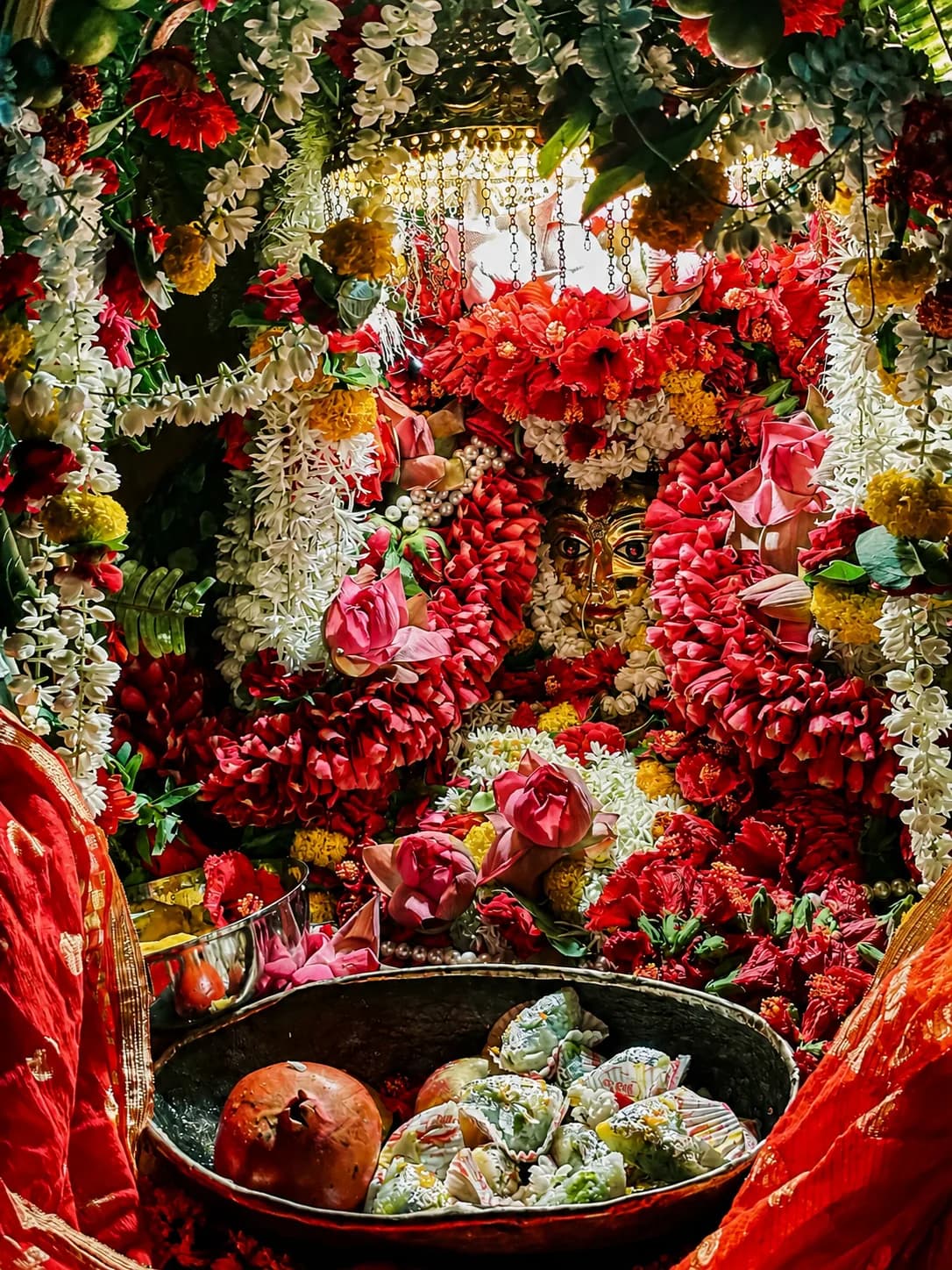
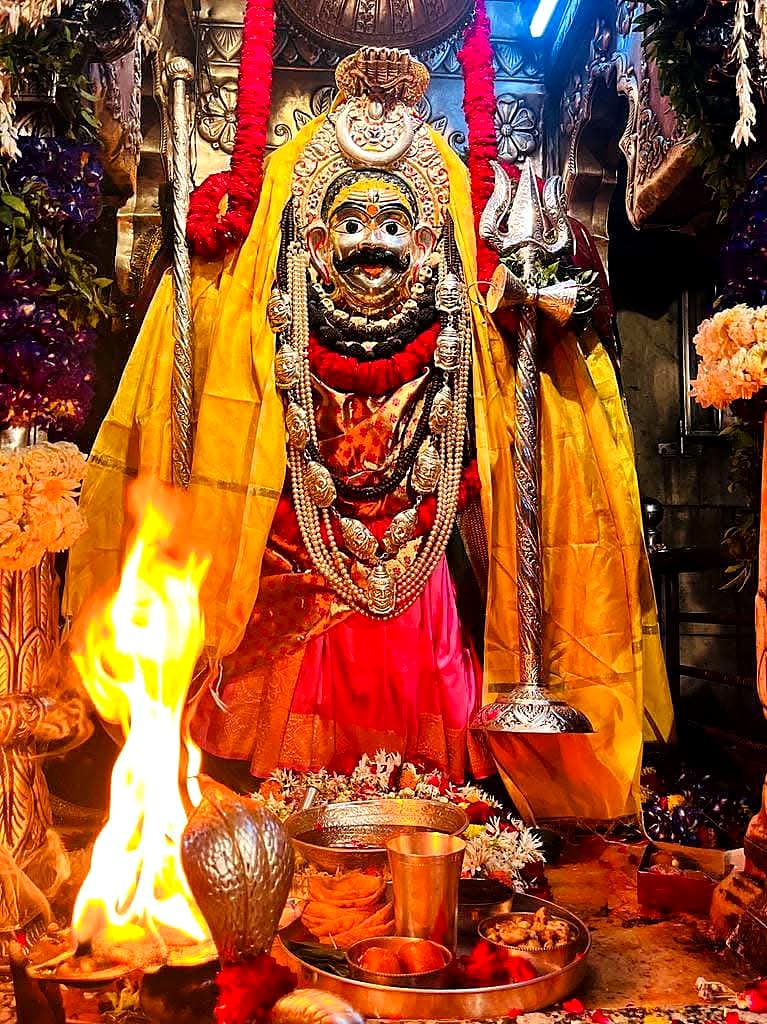
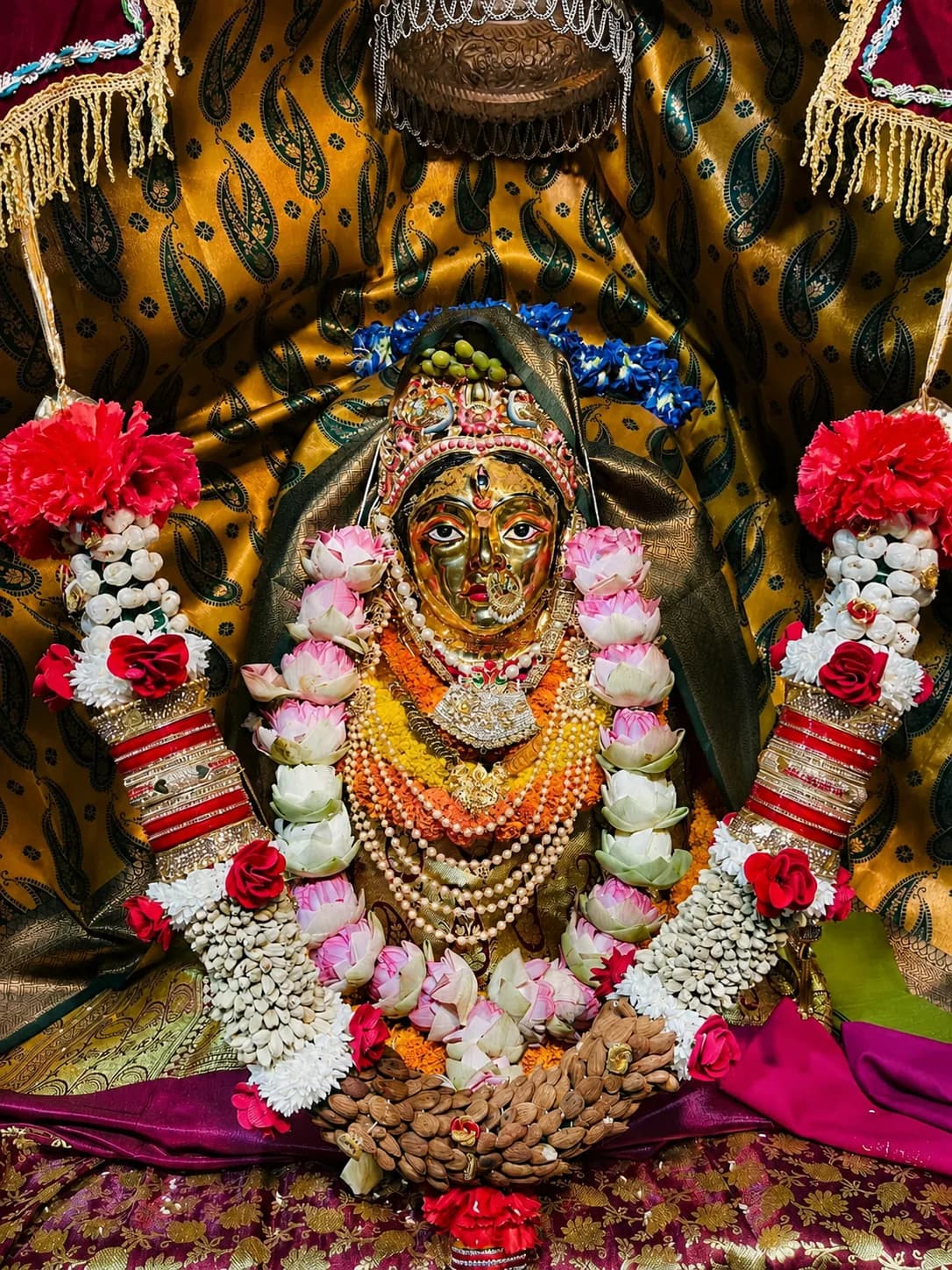
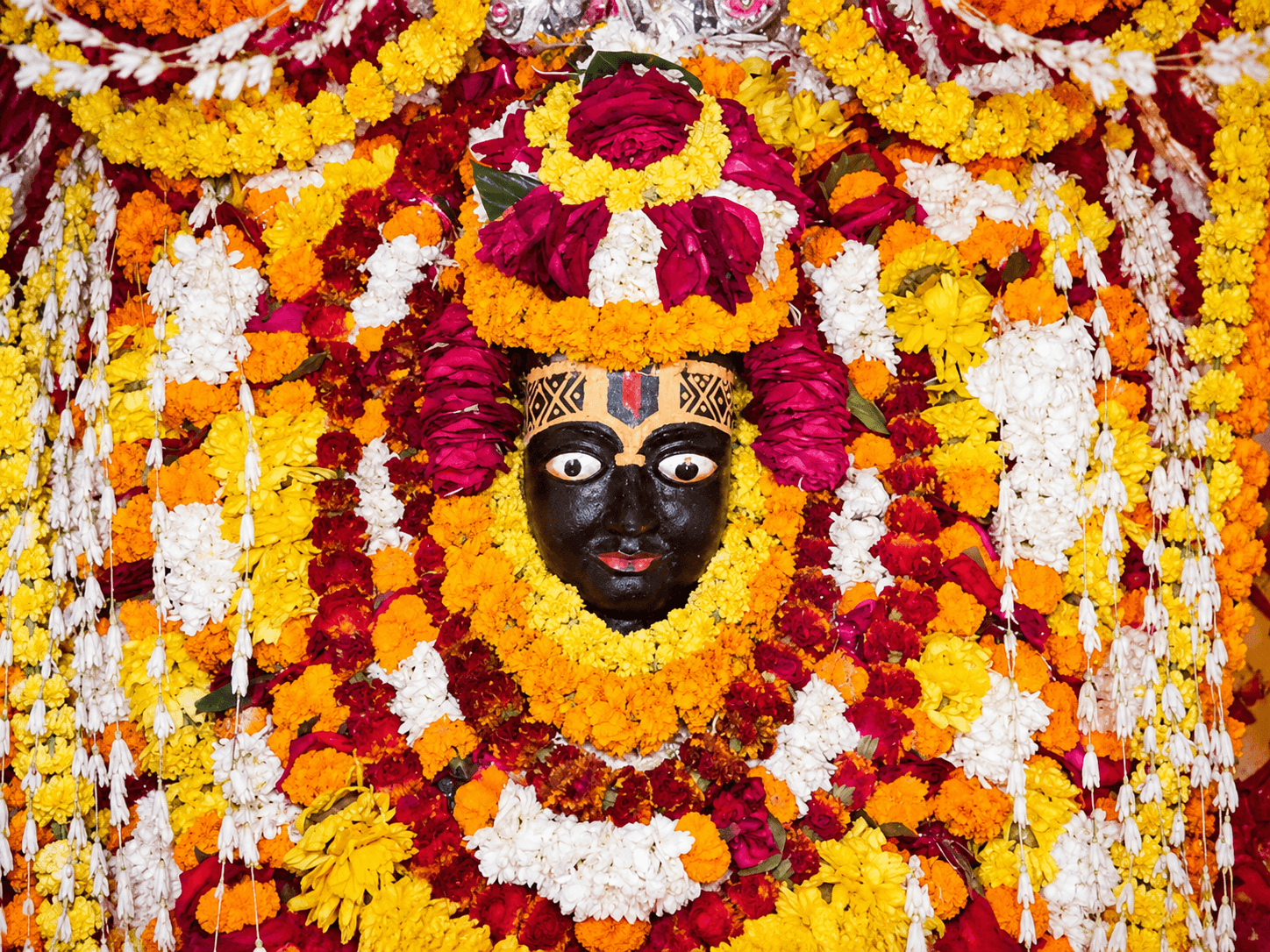
Adi Keshav Temple is an ancient and revered shrine dedicated to Lord Vishnu, situated near the sacred confluence of the Ganga and Varuna rivers in northern Kashi. The name Adi Keshav signifies the primordial or first form of Keshav, a name of Lord Vishnu. According to traditional accounts, Lord Vishnu manifested his presence in Kashi at this sacred location, establishing its importance within the city’s spiritual geography. The nearby Adi Keshav Ghat has long been associated with pilgrimage, ritual bathing, and religious observances. The temple represents the Vaishnava tradition within Kashi, a city especially renowned for its devotion to Lord Shiva. This coexistence of Shaiva and Vaishnava worship reflects the inclusive spiritual heritage of Hinduism. Devotees visit the shrine to offer prayers to Lord Vishnu, the preserver and sustainer of the universe, and seek blessings for peace, righteousness, and spiritual progress. With its sacred riverside setting and ancient religious associations, Adi Keshav Temple remains an important destination for pilgrims exploring the deeper spiritual landscape of Kashi.
Chronicle
History & Origins
The documented record
The site is ancient and is named in the Puranic literature of Kashi. The standing structure is considerably later than the tradition attached to the site; a documented date is not published here.
As tradition tells it
Accounts record that the temple was destroyed in 1194 and was later restored under the Scindias of Gwalior in the Maratha period. The adjoining Adi Keshav Ghat was built in stone in 1790 by a Divan of the Scindia state.
Recorded as sacred narrative, distinct from the documented history.
In depth
The Legend and the Shrine
As the story is told, there was a time when Shiva left Kashi for Mount Mandarachala. At his request Vishnu came to the city to restore its sacred order, and the place where he first set foot — here, at the meeting of the Varuna and the Ganga — became the seat of Adi Keshav, the first Keshav. In the same telling he overcame King Divodasa and re-established dharma in the city.
The sanctum holds the Adi Keshav–Sangameshwar linga, worshipped as uniting Vishnu and Shiva in a single object of devotion. Red-stone pillars carry the porch in front of it.
This is sacred narrative and is recorded here as such; the documented history of the site is given above.
Significance
Spiritual Significance
The temple marks one corner of the sacred geography of Kashi, at the confluence that forms the city's northern boundary.
In devotional tradition
Pilgrims traditionally bathe at the sangam of the Varuna and the Ganga before darshan. The visit is understood as completing the Vaishnava element of a Kashi pilgrimage.
This records traditional devotional belief and the practice of devotees. It is presented as religious tradition, not as a statement of fact or a promise of any outcome.
In depth
The Northern End of the Panchatirthi
Kashi's riverfront has its own traditional pilgrimage of five bathing places, the Panchatirthi, walked from one end of the sacred city to the other. Its five tirthas are the confluence of the Asi with the Ganga in the south, Dashashwamedh Ghat, Manikarnika, Panchganga Ghat — and, at the far northern end, the confluence of the Varuna with the Ganga, where Adi Keshav stands.
The two small rivers that meet the Ganga at either end — the Varuna here and the Asi in the south — are traditionally read as the limits that give Vara-nasi its name, and the confluence below this temple is therefore one of the two thresholds of the city itself. That is why the shrine of the "first Keshav" belongs to this spot: the point at which, in the temple's own tradition, Vishnu first entered Kashi is the point at which the city begins.
Because the Varuna confluence is far from the central ghats, many pilgrims completing the round today make their final offering closer to the city centre, and the confluence itself is quiet for most of the year — which is much of its appeal.
Worship
Deity, Worship & Rituals
- Presiding deity
- Vishnu (as Adi Keshav)
- Also worshipped
- Shiva as Sangameshwar, the lord of the confluence — the linga in the sanctum is worshipped as uniting Vishnu and Shiva
Worship & ritual
Worship of Vishnu. Bathing at the confluence is part of the traditional observance here.
Sacred calendar
Festivals
Kartik Purnima and the Vaishnava observances of the calendar are marked.
Darshan
Darshan Timings
Darshan hours
Opens
6:00 AM
Closes
10:00 PM
Set by the temple, and changed on festivals, eclipses and special occasions. Please confirm locally before travelling.
Closed in the afternoon, approximately 12:00 noon to 4:00 PM.
Visitor guide
Darshan & Visitor Information
Rajghat is some distance from the central ghats and is best reached by auto. The site is quiet and the view over the confluence is the reason many people come.
Getting there
Location & How to Reach
Finding the temple
- Locality
- Rajghat, Varuna Sangam
- Address
- Rajghat, Varanasi
- City
- Varanasi
How to reach
The temple is at Rajghat in the north of the city, where the Varuna river meets the Ganga. It is some distance from the central ghats and is best reached by auto-rickshaw or taxi.
Varanasi Junction (BSB) is the nearest major railway station, and Lal Bahadur Shastri International Airport (VNS) the nearest airport.
Visitors ask
Frequently Asked Questions
Practical answers for anyone planning darshan at Shri Adi Keshav Temple.
Ask the Samiti a questionTemples of Kashi Shri Adi Keshav Temple
Plan Your Visit
Planning a darshan at Shri Adi Keshav Temple, or hoping to arrange a puja in Kashi? The Samiti's team will gladly guide you on the visit and on the arrangements available.
Continue the yatra